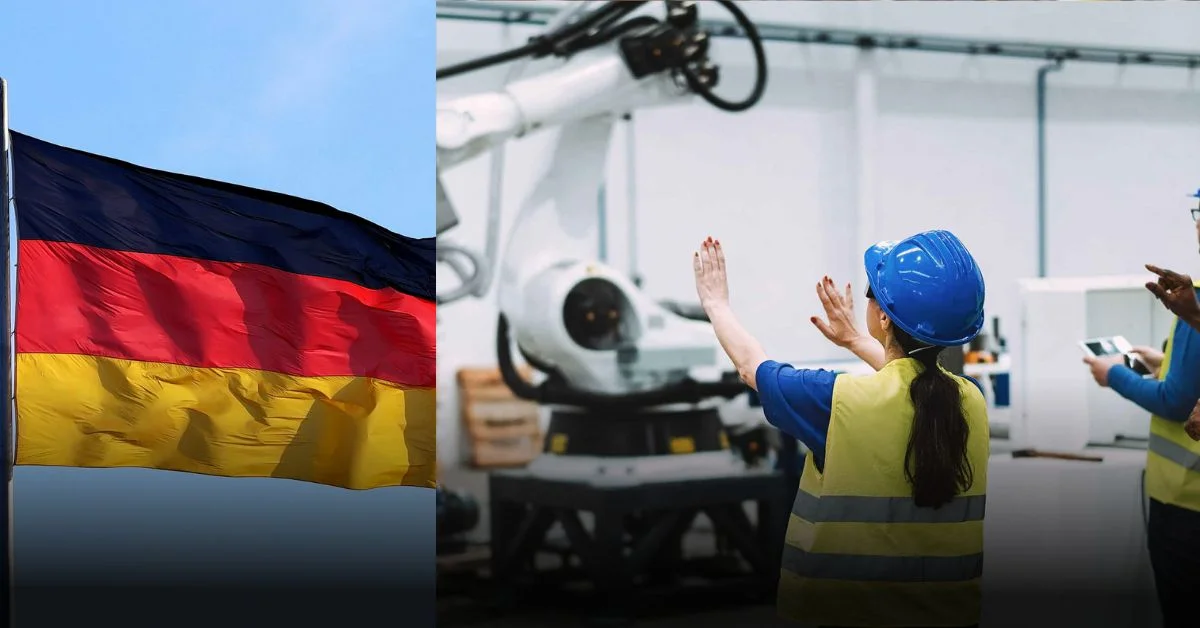
In 2026, Germany continues to face significant skill shortages across key sectors of its economy. As Europe’s largest economy, Germany depends on both domestic workers and international talent to fill gaps in industries ranging from healthcare and engineering to digital technology and skilled trades. With an aging population, steady economic demand, and rising retirements, the need for foreign professionals has become more urgent — prompting targeted recruitment, streamlined visa pathways, and competitive job offers for international candidates. Understanding where shortages are most acute helps jobseekers focus their efforts on careers with strong demand, long-term stability, and clear paths to residency.
Table of Contents
- Understanding Germany’s Skill Shortage
- Demographic Shifts and Workforce Gaps
- Healthcare and Elder Care: Urgent Demand
- Information Technology and Digital Experts
- Engineering and Manufacturing Opportunities
- Skilled Trades and Technical Occupations
- Finance, Business, and Analytics Roles
- Education and Language Professionals
- How Germany Is Recruiting International Talent
- Tips to Enter the German Job Market in 2026
- Final Outlook: Growing with Germany’s Economy
Understanding Germany’s Skill Shortage
Germany’s skill shortage in 2026 isn’t a temporary phenomenon — it is the result of long-term demographic trends, economic growth patterns, and structural changes in the labor market. As older workers retire faster than younger workers can replace them, certain sectors have experienced chronic labor scarcity. These shortages are especially noticeable in technical and healthcare fields where digital transformation and an expanding services economy continue to accelerate demand.
To address these challenges, the German government has introduced reforms to immigration law, expanded recognition of foreign qualifications, and partnered with employers to actively recruit international talent. For candidates abroad, this translates into more job openings, clearer pathways to visas, and growing incentives to relocate to Germany.
Demographic Shifts and Workforce Gaps
One of the core drivers of skill shortage in Germany is demographics. Germany has one of the oldest populations in Europe, with a high percentage of people aged 60 and above. As older workers retire, industries are struggling to replenish the workforce quickly enough. Meanwhile, birth rates remain low, creating a long-term gap in the working-age population.
This imbalance has shifted the focus of German labor policy toward attracting foreign professionals, particularly those with specialized skills. In response, Germany has made it easier for qualified professionals from non-EU countries to secure work visas, recognition of foreign qualifications, and pathways to long-term residency.
Healthcare and Elder Care: Urgent Demand
Healthcare remains one of the most critical shortage sectors in Germany for 2026. Nurses, physicians, and allied health professionals are highly sought after, especially in hospitals, elderly care facilities, and rehabilitation centers. With an aging population and increasing demand for chronic disease care, Germany is looking for international nurses, caregivers, and medical specialists.
The shortage isn’t limited to general nursing — specialties like geriatric nursing, intensive care, and pediatric care are particularly in demand. In addition, language skills (especially German proficiency) are often required due to the communicative nature of the work.
Information Technology and Digital Experts
Digital transformation continues to reshape business and industry in Germany. As companies adopt new technologies like cloud computing, artificial intelligence, cybersecurity, automation, and data analytics, the need for IT professionals has skyrocketed.
Software developers, cloud engineers, data scientists, and cybersecurity specialists are among the most valuable talent classes sought by German employers. With tech hubs in Berlin, Munich, Hamburg, and Frankfurt, international tech professionals find robust demand, competitive salaries, and dynamic workplaces — making this one of the hottest segments of the German job market in 2026.
Engineering and Manufacturing Opportunities
Germany’s reputation as an engineering powerhouse remains unshaken. The automotive industry, mechanical engineering, electrical engineering, and industrial automation sectors continue to seek skilled engineers. Germany’s advanced manufacturing facilities rely on engineers to innovate, optimize production, and maintain global competitiveness.
Mechanical engineers, electrical engineers, mechatronics experts, and industrial automation specialists are among the most wanted professionals. With German companies increasingly embracing digital manufacturing and Industry 4.0 principles, engineering talent that blends traditional skills with digital expertise is especially valuable.
Skilled Trades and Technical Occupations
While much attention goes to high-tech and medical professions, skilled trades represent another vital area of shortage in Germany’s economy. Electricians, plumbers, HVAC (heating, ventilation, and air conditioning) technicians, and construction specialists are in short supply.
Germany’s traditional apprenticeship model has historically produced skilled craftsmen, but recent demographic shifts have left major gaps. As a result, foreign technical workers with formal training and vocational credentials find strong opportunities, often with employer-sponsored pathways to residence and long-term career growth.
Finance, Business, and Analytics Roles
Germany’s financial sector remains strong and continues to offer opportunities for analysts, accountants, risk managers, auditors, and business consultants. Demand is especially high for professionals with expertise in financial technology, compliance, international tax, and corporate strategy.
Data analytics and operational business intelligence have become critical functions for German corporations facing global competition. International talent with strong quantitative skills and business acumen is particularly attractive in major financial centers like Frankfurt and Munich.
Education and Language Professionals
While often overlooked, education and language services play a strategic role in Germany’s workforce ecosystem. Teachers, language trainers, and vocational instructors are needed to support integration, retraining, and lifelong learning initiatives.
Furthermore, demand exists for specialists who can teach German as a foreign language — particularly given Germany’s focus on helping international professionals adapt linguistically and culturally. These jobs offer meaningful interaction and support long-term community integration.
How Germany Is Recruiting International Talent
To address skill shortages, Germany has introduced several recruitment pathways designed to attract foreign workers. Reforms have simplified visa categories, improved recognition of foreign degrees and vocational credentials, and created digital platforms for labor matching.
Programs such as the Skilled Workers Immigration Act have made it easier for qualified professionals to apply for work visas, even without a pre-existing job offer in some cases. Employers increasingly participate in international job fairs and digital recruitment campaigns to proactively secure foreign talent.
Tips to Enter the German Job Market in 2026
For international jobseekers looking to enter the German labor market, preparation is key. First, candidates should identify professions that are in high demand and align with their skills and qualifications. Next, understanding Germany’s work visa requirements — including language proficiency, recognized credentials, and employment contracts — is essential.
Building a strong CV tailored to German standards, networking through professional platforms, and reaching out to employers directly can significantly improve chances. Additionally, acquiring German language skills enhances both employability and workplace integration, especially in healthcare, education, and customer-facing roles.
Final Outlook: Growing with Germany’s Economy
As Germany continues to navigate demographic shifts and technological advancements, the demand for skilled workers is expected to remain high in 2026 and beyond. While shortages present challenges for the economy, they also create opportunities for international professionals seeking meaningful careers and long-term stability.
By understanding where gaps exist — from healthcare to engineering, tech to trade skills — international talent can position themselves strategically for success. With supportive immigration policies and an increasingly open market for foreign professionals, Germany continues to offer a compelling environment for career growth and global mobility.