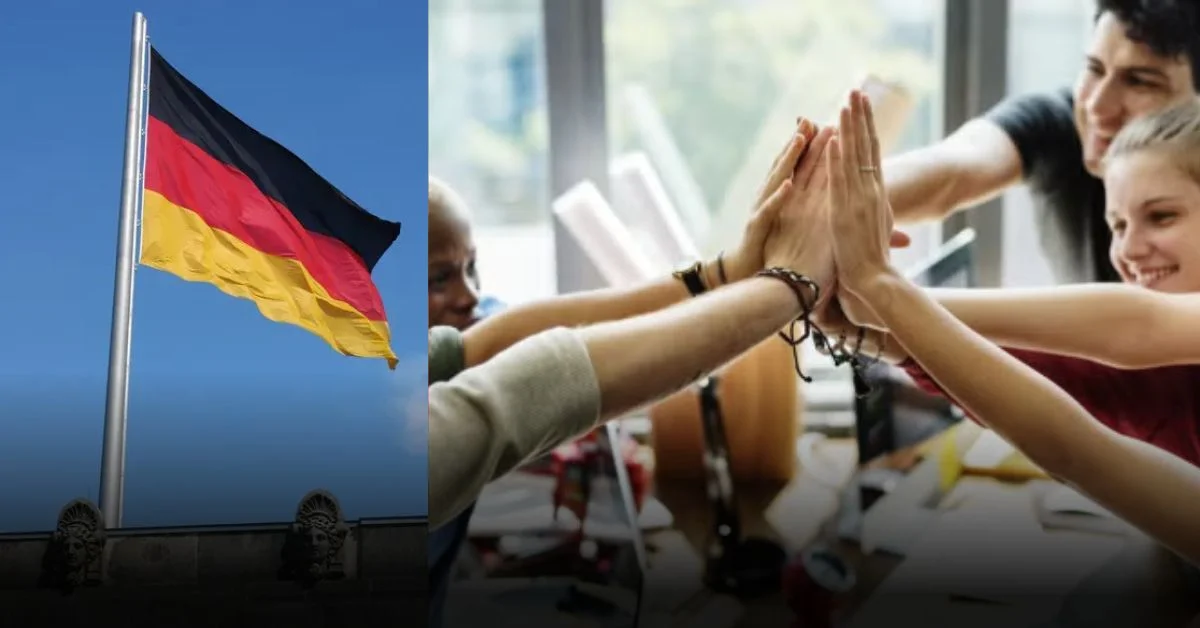
Moving to Germany for work in 2026 offers excellent career opportunities, strong worker protections, and a high quality of life. However, professional success in Germany depends not only on skills and qualifications but also on how well foreign workers adapt to German workplace culture and everyday social norms. Cultural integration helps build trust, improves communication, and makes daily life smoother both at work and outside the office. This guide explains the most important cultural integration tips in a simple and practical way, helping foreign workers feel confident and comfortable while working in Germany.
Understanding German Work Culture
German work culture is known for its structure, efficiency, and reliability. Employers value planning, clear processes, and consistency. Workplaces tend to follow defined rules and schedules, and employees are expected to take their responsibilities seriously.
In 2026, German companies continue to emphasize professionalism, punctuality, and accountability. Foreign workers who understand these expectations early often find it easier to integrate and gain respect from colleagues.
Punctuality Is Extremely Important
Being on time is one of the most important cultural expectations in Germany. Arriving late to work, meetings, or appointments is usually seen as disrespectful and unprofessional.
Foreign workers should aim to arrive a few minutes early rather than exactly on time. If a delay is unavoidable, informing a supervisor or colleague in advance is considered polite and responsible.
Clear and Direct Communication
Germans generally communicate in a direct and honest way, especially in professional settings. Feedback is often straightforward and focused on facts rather than emotions. This does not mean people are rude; it simply reflects a preference for clarity and efficiency.
Foreign workers should not take direct feedback personally. Asking questions, requesting clarification, and responding calmly are all seen as positive behaviors in German workplaces.
Respect for Rules and Procedures
Germany is a rule-oriented society, and this is especially visible at work. Procedures, safety guidelines, and company policies are expected to be followed carefully. Skipping steps or improvising without approval may be viewed negatively.
Foreign workers who respect rules, follow instructions, and complete tasks as agreed demonstrate reliability and professionalism, which are highly valued qualities in Germany.
Workplace Hierarchy and Professional Boundaries
German workplaces often have clear roles and responsibilities. While teamwork is encouraged, decisions usually follow a structured chain of responsibility. Employees are expected to respect supervisors’ authority while also contributing ideas when appropriate.
Professional boundaries are important. Work and private life are usually kept separate, and colleagues may take time to open up socially. This is normal and should not be interpreted as unfriendliness.
Learning Basic German Language Skills
While many workplaces use English, learning basic German is one of the most effective ways to integrate. Even simple greetings and everyday phrases show respect and effort.
In 2026, foreign workers who invest time in learning German often experience better workplace relationships, easier daily interactions, and greater long-term career opportunities.
Teamwork and Responsibility
German employers value teamwork, but they also expect individuals to take full responsibility for their own tasks. Doing your job well without constant supervision is seen as a sign of competence.
Helping colleagues, sharing information, and contributing to group goals are appreciated, but personal accountability remains essential. Completing tasks on time and to a high standard builds trust within the team.
Work-Life Balance and Personal Time
Germany strongly respects work-life balance. Employees are expected to work efficiently during working hours, but overtime is not always encouraged. Personal time, weekends, and vacations are taken seriously.
Foreign workers should respect this balance by avoiding unnecessary after-hours communication unless it is urgent. Understanding this cultural norm helps prevent misunderstandings and burnout.
Social Integration Outside the Workplace
Cultural integration goes beyond work. Participating in local activities, community events, or language courses can help foreign workers feel more connected to German society.
Building friendships may take time, but consistency and openness are key. Simple actions like greeting neighbors, respecting local customs, and following community rules make a positive impression.
Handling Cultural Differences with Patience
Cultural differences can sometimes lead to confusion or discomfort. In Germany, things may feel more formal, structured, or reserved compared to other countries.
Approaching differences with patience, curiosity, and respect helps avoid frustration. Observing how colleagues behave and adapting gradually is often the best way to integrate smoothly.
Dealing with Feedback and Performance Reviews
Performance reviews in Germany are usually honest and structured. Strengths and weaknesses are discussed openly, with a focus on improvement and efficiency.
Foreign workers should view feedback as an opportunity to grow rather than criticism. Asking how to improve and showing willingness to learn is highly appreciated.
Building Trust Over Time
Trust in German workplaces is built through consistent actions rather than quick social bonding. Being reliable, keeping promises, and delivering quality work over time creates strong professional relationships.
Once trust is established, colleagues often become more open and supportive, leading to a more comfortable and rewarding work experience.
Final Thoughts
Cultural integration is a gradual process, not something that happens overnight. In 2026, Germany remains welcoming to foreign workers who show respect for local customs, workplace norms, and social values. By being punctual, communicating clearly, following rules, learning the language, and maintaining professionalism, foreign workers can integrate successfully and build fulfilling careers in Germany.
Adapting to a new culture may take time, but with patience and openness, working in Germany can become both professionally rewarding and personally enriching.